The views and opinions expressed on this site and blog posts (excluding comments on blog posts left by others) are entirely my own and do not represent those of any employer or organization with whom I am currently or previously have been associated.
Academic Version: Applying my personal experiences and academic research as a professor of Sociology and Asian American Studies to provide a more complete understanding of political, economic, and cultural issues and current events related to American race relations, and Asia/Asian America in particular.
Plain English: Trying to put my Ph.D. to good use.
Here are some more announcements, links, and job postings about academic-related jobs, fellowships, and other opportunities for those interested in racial/ethnic/diversity issues, with a particular focus on Asian Americans. As always, the announcements and links are provided for informational purposes and do not necessarily imply an endorsement of the organization or college involved.
Postdoc: Diversity and Educational Policy, Univ. of Delaware
The President’s Diversity Initiative at the University of Delaware, in collaboration with the Center for the Study of Diversity, invites applications from recent Ph.D. graduates for two postdoctoral positions. The purpose is to promote early career scholars who are doing work that furthers our understanding of diversity. We are particularly interested in those who can contribute to the interdisciplinary understanding in any of the following areas:
Diversity, Access, and Educational Policy
Health, Environment, and Social Inequalities
These positions will be awarded for a one year period, appointment for September 1, 2013 through August 31, 2014, renewable for a second year. Postdoctoral scholars will work with senior mentors and peers and will be expected to teach one course during each year in residence, as well as participating in faculty development opportunities provided by the Office of the President’s Diversity Initiative. The time in residence will include mentoring experiences that will help these scholars publish their scholarly work, develop strong teaching skills, and learn about funding opportunities.
Postdoctoral scholars will be expected to engage with the activities of the Center for the Study of Diversity and may also be affiliated with other Centers/Institutes at the University, depending on the area of research. These scholars will be expected to share their work with other UD faculty either by a formal lecture, colloquium, or other appropriate venue.
All requirements for the Ph.D. must be completed before the start date, with strong preference for those who have earned their degree within the last two years. Applicants must not have another employment obligation to follow this appointment. Postdoctoral scholars will receive a salary of $60,000 plus University health care benefits. Postdoctoral scholars will have full access to the University of Delaware Library and will be given $5000 in support for research and /or professional travel expenses, as well as a computer and full access to the university IT resources. The term for these positions extends from September 1, 2013 until August 31, 2014.
Applications will be evaluated based on:
The quality of the applicant’s research scholarship
The significance of the applicant’s research for the interdisciplinary study of diversity
The ability to benefit from collaboration with colleagues at the University of Delaware
The contribution candidates are likely to make to higher education in the future through teaching, research, and professional service
Demonstrated accomplishments in working with diverse populations
Applicants must submit all of the following information as one pdf document to http://www.udel.edu/udjobs/ by February 1, 2013:
Academic vitae.
A statement of no more than 1,500 words describing the proposed research project(s) to be completed while in residency, including how the candidate meets the criteria listed above; the statement should include a statement about the match between the candidate’s work and that of faculty mentors at the University of Delaware with whom the candidate would like to be affiliated.
Contact information for three references (at least one from someone who was not a dissertation supervisor); please do not send letters with the application.
Incomplete applications will not be considered. Postdoctoral scholars must not have accepted employment elsewhere.
Presidential Fellowship in Sociology
State Policy, Migration & Gender
Utah State University
The Sociology Program at Utah State University seeks applicants for a Presidential Doctoral Research Fellow with research interests in state policy, migration and gender. The Presidential Fellow will receive an annual stipend of $20,000 for four years. Qualified applicants will have an MS in sociology or a related field, GRE scores above the 70th percentile and a cumulative GPA above 3.5. The Presidential Fellow will work closely with sociology faculty on one of several on-going research projects related to policy, migration and gender.
Applicants should complete an application and provide a letter of intent outlining one’s research interests, curriculum vitae, a writing sample, official transcripts and GRE scores and three letters of reference. To apply for the position go to http://sociology.usu.edu/grad summary.aspx. We will begin reviewing applicants on February 1, 2013 and will continue until a qualified candidate has been selected. The Sociology Program is committed to excellence through diversity, and we strongly encourage applications from women, persons of color, ethnic minorities, international students, veterans and persons with disabilities.
Fellowship: Asian American Studies, UCLA
The Institute of American Cultures, in conjunction with the Asian American Studies Center, invites applications for support of research on Asian Americans for 2013-2014.
Applications must be received no later than 5:00 p.m., Wednesday, February 6, 2013, at the Asian American Studies Center, 3230 Campbell Hall. Awards will be announced in April. Application forms and additional information are available On-Line at: http://www.iac.ucla.edu/docs/2013-2014/Visiting%20Scholars%20Application.pdf
Fellowship Period: October 1, 2013 through June 30, 2014.
Visiting Scholar and Researcher Fellowship Program
The UCLA Institute of American Cultures (IAC), in cooperation with UCLA’s four Ethnic Studies Research Centers (American Indian Studies Center, Asian American Studies Center, Bunche Center for African American Studies, Chicano Studies Research Center) offers fellowships to visiting scholars and researchers to support research on African Americans, American Indians, Asian Americans, and Chicanas/os.
Visiting Scholar appointments are for persons who currently hold permanent academic appointments and Visiting Researcher are for newly degreed scholars. Applicants must be U.S. citizens or permanent residents and hold a Ph.D. from an accredited college or university at the time of appointment. UCLA faculty, staff, and currently enrolled students are not eligible to apply.
IAC Visiting Scholars/Researchers will receive up to a 9-month academic-year stipend of $32,000 to $35,000 (contingent upon rank, experience, and date of completion of their terminal degree) and will receive health benefits. For Visiting Scholars, these funds can be used to supplement sabbatical support for a total that does not exceed the candidate’s current institutional salary.
Visiting Scholars will be paid through their home institutions and will be expected to continue their health benefits through that source as well; Visiting Researchers will be paid directly by UCLA. All awardees can receive up to $4,000 in research support (through reimbursements of research expenses), $1,000 of which may be applied toward relocation expenses. In the event that an award is for less than the 9-month appointment, the stipend will be prorated in accordance with the actual length of the award.
Please see attachment for more information or contact AASC’s IAC Coordinator, Melany De La Cruz-Viesca, at melanyd@ucla.edu.
Call for Papers: 10th Biannual Northeast Conference on Indonesian Studies
Yale Indonesia Forum (YIF) and Cornell Indonesian Association (CIA) invite submissions for their 10th Northeastern Student Conference on Indonesia. This event will be held on March 29 – 30, 2013, with a workshop by invited scholars on the first day and a student conference at Henry R. Luce Hall, Yale University on the second day.
We welcome submissions from graduate and undergraduate students at any stage engaged in original research related to Indonesia. The theme of the conference is ‘Social Dynamics of Sustainable Development in Indonesia’ and participants are encouraged to discuss the impact of development, broadly interpreted, on societies, environment, language, ideologies, public policy and other aspects. Papers related to a wide variety of subjects related to this theme are encouraged.
Interested participants should submit abstracts to the following email address: northeastconference10@gmail.com. All abstracts should be limited to 250 words and sent in MS Word format. Please name your abstract using your first initial and last name (for example, jsmith.doc for John Smith’s abstract). The subject of the message should specify “Abstract†and the body should include the following information:
Author’s name(s), affiliation(s) and a primary email address
Title of paper
Paper topic and at least 2 keywords
Submission Deadline: February 22nd, 2013
The Yale Indonesia Graduate Committee will review the abstracts, select presenters, and organize sessions by theme. Selected authors will present their work as part of a panel at the conference and paper abstracts will be included in the Conference Program. Notification of Acceptance: February 29th, 2013. Confirmation of Attendance: March 4th, 2013.
We regret that no travel subventions are available for participants in the conference and encourage applicants to seek travel funding from their home institutions. YIF will provide presenters with one night’s accommodation in New Haven. Please contact the organizers at northeastconference10@gmail.com with any questions.
Sponsored by the
Council on Southeast Asia Studies, Yale University
Conference Co-Coordinators:
Rauf Prasodjo, Corey Pattison and Faizah Zakaria, Yale University
The City University of New York is seeking job applicants for the CUNY Thomas Tam Visiting Professorship for the 2013-2014 academic year. The City University of New York is hiring a Visiting Professor at the senior faculty level of full or associate professor for the Dr. Thomas Tam Visiting Professorship in Asian-American Studies. Applications are due February 28, 2013.
The Dr. Thomas Tam Visiting Professor will be based at one of the four City University of New York campuses participating in the search, Brooklyn College, Hunter College, Queens College or the Graduate Center. He or she will teach one class a semester at that campus and will engage with students and faculty members during the appointment. The Dr. Thomas Tam Visiting Professor will participate in public events designed to raise the visibility of scholarship in Asian American studies. This will include working closely with CUNY’s Asian American/Asian Research Institute (AAARI), a University-wide institute that promotes undergraduate and graduate education in Asian-American studies and educates civic, business, academic leaders, and the general public, on issues of concern to the Asian American community.
This distinctive position presents an opportunity for a leading scholar to work in New York City’s diverse and dynamic environment while also working with AAARI and CUNY faculty to develop and enrich the CUNY research agenda in Asian American studies. The search committee contains representatives of the four CUNY colleges involved in the search, with appointment to a particular college dependent on the candidate’s fit with that college’s goals and academic priorities.
Qualifications: Ph.D. degree in area(s) of experience or equivalent. Also required are the ability to teach successfully, demonstrated scholarship or achievement, and ability to cooperate with others for the good of the institution. Substantial research experience, expertise and publications on the Asian American experience are required. Areas of focus may include: trends and evolution of Asian American communities, civic and political engagement, entrepreneurship and economic development, religious and ethnic identity, gender and sexuality, intergenerational relations, critical race theory, diaspora and transnational experiences and communities and others.
Fellowship: Diversity and Education, UConn
Diversity Dissertation and Post MFA In-Residence Fellowship
The University of Connecticut is pleased to announce a call for applications for the first Pre-doctoral In-Residence Fellowship to advance diversity in higher education. The program will support scholars from other universities while they complete their dissertation or post-MFA study for the term of an academic year. Fellows will have access to outstanding resources, faculty expertise, mentoring and other professional development opportunities.
The Asian American Studies Institute, Institute for African American Studies, Institute of Latina/o, Caribbean and Latin American Studies, and the Women, Gender and Sexualities Program will each host one fellow in-residence per year, for a total of four fellowships awarded annually. The faculty in the host institutes currently hold joint-appointments in three different schools at the University: The Neag School of Education, School of Fine Arts, and the College of Liberal Arts and Sciences. All fellows will be appointed jointly between an institute and one of these Schools and College.
The program will provide a stipend of $27,000, medical and dental benefits, office space, library privileges, and computer access. A research/travel budget of $3,000 is also included. As part of the program terms, the fellows must be at the University of Connecticut for the duration of the fellowship and will be expected to teach one class and share their work in a public forum.
The four Fellowships will be awarded on the basis of academic achievement and merit, and must meet several eligibility requirements. Applicants must:
Be a US citizen or permanent resident
Be enrolled in a PhD program or be within one year post-MFA in the liberal arts and sciences, fine arts, or education at schools other than UConn
Be conducting research in an area that can contribute to any of the following: Asian American Studies; African American Studies; Latina/o, Caribbean and Latin American Studies; or Women, Gender and Sexuality Studies
Have passed their PhD qualifying examination and be in either the research or writing phase of an approved dissertation or in the case of post-MFA have a project to be completed within the term of a year
Have a demonstrated commitment to the advancement of diversity and to increasing opportunities for underrepresented or disadvantaged groups
All candidates should submit the following:
Cover letter
Full curriculum vitae
A two-page teaching statement
PhD project description outlining the scope of the project, its larger significance, methodology, and timetable for completion
Appropriate example of recent work not to exceed 20 pages
Identification of the academic unit to where the application is directed:
Asian American Studies Institute
Institute for African American Studies
Institute of Latina/o, Caribbean and Latin American Studies
Women, Gender and Sexualities Program
Three confidential letters of recommendation, one of which is from the academic advisor, sent directly in electronic form from the referees with the applicant’s name in the subject line
Post-MFA applicants should include an appropriate project description:
Choreographers/Dances: documentation of performance
Film and Video: links to works
Musicians: complete list of works or significant performances
Theatre Artists: sample of design portfolio
Visual Artists: 20 images
Writers: 2-3 short stories, 10-15 poems, or novel passages not to exceed 50 pages
Recipients of the In-Residence Fellowship will be appointed by the Vice Provost for Diversity upon the recommendation of a faculty selection committee in consultation with appropriate departments. All applications must be sent electronically no later than March 1, 2013 to: Courtney.wiley@uconn.edu under subject heading, “In-Residence Fellowship”
The National Center for Border Security and Immigration (BORDERS), headquartered at the University of Arizona, is pleased to announce a competitive research opportunity to address current challenges in immigration studies.
Each project will be funded at approximately $100,000. The performance period is one year and will begin on June 1, 2013. Proposals are due March 1, 2013.
This effort, sponsored by the Department of Homeland Security (DHS) Office of University Programs (OUP), invites qualified researchers to propose projects that will provide DHS stakeholders, policy-makers and the public with contemporary and innovative research that addresses current research challenges in immigration studies.
Through this Request for Proposals (RFP), BORDERS encourages proposals for research that will inform the public as well as assist the government in effectively managing the nation’s immigration system. BORDERS is seeking proposals in the following five broad topic areas:
Impacts of Enforcement on Unauthorized Flows
Population Dynamics
Immigration Policy
Immigration Administration
Civic Integration and Citizenship
BORDERS is a consortium of 16 premier institutions headquartered at the University of Arizona whose mission is to provide scientific knowledge, develop technologies and techniques, and evaluate policies to meet the challenges of border security and immigration. For more information about the Center please visit.
The Comparative American Studies Program at Oberlin College invites applications for a full-time non-continuing faculty position in the College of Arts and Sciences. Appointment to this position will be for a term of one year, beginning in the Fall semester of 2013, and will carry the rank of Visiting Assistant Professor.
The incumbent will teach a total of five courses in Asian American History. For this position, preference will be given to candidates with training in history and related interdisciplinary fields with research and teaching interests in comparative approaches to race and ethnicity, immigration history, transnational social movements, gender and sexuality, and/or urban history. The Comparative American Studies Program is committed to interdisciplinary and theoretically informed intersectional pedagogy at the undergraduate level. Faculty are expected to integrate issues of gender, race, ethnicity, class, sexuality, and citizenship within comparative and/or transnational frames throughout their teaching.
Among the qualifications required for the appointment is the Ph.D. degree (in hand or expected by the first semester of 2013). Candidates must demonstrate interest and potential excellence in undergraduate teaching. Successful teaching experience at the college level is desirable.
To be assured of consideration, a letter of application, including a curriculum vitae, graduate academic transcripts, course syllabi if available, title and brief descriptions of 2-3 courses the candidate could teach, and at least three recent letters of reference should be sent to: CAST AAST Search Committee, Comparative American Studies Program, Oberlin College, 10 N. Professor Street, King 141D, Oberlin, OH 44074 (Phone: 440-775-5290; fax 440-775-8644) by March 15, 2013. Application materials received after that date may be considered until the position is filled.
Women, Gender, and Families of Color (WGFC) invites submissions for upcoming issues.
WGFC is a new multidisciplinary journal that centers the study of Black, Latina/o, Indigenous, and Asian American women, gender, and families. Within this framework, the journal encourages theoretical and empirical research from history, the social and behavioral sciences, and humanities including comparative and transnational research, and analyses of domestic social, cultural, political, and economic policies and practices.
The journal has a rolling submission policy and welcomes manuscripts, proposals for guest-edited special issues, and book reviews at any time. Manuscripts accepted for review receive an editorial decision within an average of 45-60.
As many colleges and universities start their spring semester this week and as part of Asian-Nation’s goal of disseminating academic research related to real-world issues and topics, the following is a list of recent academic journal articles and doctoral dissertations from scholars in the social sciences and humanities that focus on race/ethnicity and/or immigration, with a particular emphasis on Asian Americans.
The academic journal articles are generally available in the libraries of most colleges and universities and/or through online research databases. Some abstracts were edited for length. As always, works included in this list are for informational purposes only and do not imply an endorsement of their contents.
Jain, Sonali. 2011. “The Rights of ‘Return’: Ethnic Identities in the Workplace among Second-Generation Indian-American Professionals in the Parental Homeland.” Journal of Ethnic and Migration Studies 37(9):1313–1330.
Abstract: This article explores the salience of ethnicity for second-generation Indian-American professionals who ‘return’ from the US to their parental homeland, India. Drawing on in-depth interviews with 48 second-generation Indian-Americans in India, it examines when and how they adopt ethnic identities in the workplace. My findings suggest that, bolstered by their transnational experiences and backgrounds, returnees construct ethnic identities and utilise ethnic options that reflect the cultural and economic environments of their adopted homeland. At the same time, and often contemporaneously, work relationships, experiences and personal interactions with those they encounter in the parental homeland factor into their transnational identity constructions. Also proposed is a preliminary framework within which to explore the conditions that facilitate the construction and assertion of returnees’ ethnic identities in the workplace in India.
Shin, Hyoung-jin. 2011. “Intermarriage Patterns among the Children of Hispanic Immigrants.” Journal of Ethnic and Migration Studies 37(9):1385–1402.
Abstract: Utilising data from the 2005–07 American Community Survey Public Use Micro Sample (ACS-PUMS), this study investigates the intermarriage patterns of Mexican, Cuban and Dominican Americans who were born in the United States or came to the country as immigrant children. Using intermarriage patterns as an indicator of social relations, I examine how cultural and structural assimilation factors affect the marital assimilation process among the children of Hispanic immigrants. One of the major contributions of this study is the examination of diversity within the US census categorisation of ‘Hispanic’. Results from multinomial logistic regression analyses suggest that the marital assimilation process of Mexicans, Cubans and Dominicans varies across and within the groups according to their different individual characteristics and metropolitan context. My study is novel because it recognises that broad-sweep analyses of intermarriage patterns are overly simplistic renderings of racial/ethnic assimilation because they fail to reveal distinctive and noteworthy within-group diversity.
Cohen-Marks, Mara A., and Christopher Stout. 2011. “Can the American Dream Survive the New Multiethnic America? Evidence from Los Angeles.” Sociological Forum 26(4):824–845.
Abstract: Drawing from a survey conducted in Los Angeles, we examine perceptions of achievement and optimism about reaching the American dream among racial, ethnic, and nativity groups. We find blacks and Asian Americans less likely than whites to believe they have reached the American dream. Latinos stand out for their upbeat assessments, with naturalized citizens possessing a stronger sense of achievement and noncitizens generally optimistic that they will eventually fulfill the American dream. We discuss patterns of variation between the racial and ethnic groups as well as variation within each group. Notwithstanding interesting differences along lines of race, ethnicity, and nativity, we find no evidence that the nation’s changing ethnic stew has diluted faith in the American dream.
Portes, Alejandro, Patricia Fernandez-Kelly, and Donald Light. 2011. “Life on the Edge: Immigrants Confront the American Health System.” Ethnic and Racial Studies 35(1):3–22.
Abstract: Drawing from a survey conducted in Los Angeles, we examine perceptions of achievement and optimism about reaching the American dream among racial, ethnic, and nativity groups. We find blacks and Asian Americans less likely than whites to believe they have reached the American dream. Latinos stand out for their upbeat assessments, with naturalized citizens possessing a stronger sense of achievement and noncitizens generally optimistic that they will eventually fulfill the American dream. We discuss patterns of variation between the racial and ethnic groups as well as variation within each group. Notwithstanding interesting differences along lines of race, ethnicity, and nativity, we find no evidence that the nation’s changing ethnic stew has diluted faith in the American dream.
Oh, Sookhee, and Pyong Gap Min. 2011. “Generation and Earnings Patterns Among Chinese, Filipino, and Korean Americans in New York.” International Migration Review 45(4):852–871.
Abstract: By treating the 1.5 generation as a distinctive analytic category, this paper compares the effects of generational status on earnings among men of Chinese, Filipinos, and Korean descents in the New York metropolitan area. Our analyses of the 5 percent Public Use Microdata Sample data of the 2000 U.S. census show that all other background characteristics held equal, 1.5-generation Chinese and Filipino American workers make significantly higher earnings than second-generation workers. However, Korean American workers do not exhibit this 1.5-generation advantage. These findings support a segmented assimilation theory, the view that immigrant assimilation paths are not uniform across ethnic groups or generation status. Other findings suggest that bilingual ability would increase earnings only for the Chinese group.
Davis, Mary Ann. 2011. “Intercountry Adoption Flows from Africa to the U.S.: A Fifth Wave of Intercountry Adoptions?” International Migration Review 45(4):784–811.
Abstract: This article addresses whether there is the beginning of a fifth wave of intercountry adoptions (ICAs) from Africa to the United States (U.S.). ICAs function as a “quiet migration” of children. U.S. Department of Justice Immigration and Naturalization Service (INS) data from 1971 to 2009 indicate that there were 421,085 ICAs to the U.S. Tarmann reported that in 2000, U.S. parents completed one ICA for every 200 births. In the past, top sending countries have followed flows from Europe, South America, and Asia. INS data are used to analyze the increase in the intercountry adoptees from Africa from 1996 to 2009. Similar Hague Convention data are used for the comparison of the number of ICAs from Africa to other top recipient nations. Demographic and economic data are used to support the suggestion that ICAs, similar to other migratory flows, are from developing to developed countries.
Mark, Noah P., and Daniel R. Harris. 2012. “Roommate’s Race and the Racial Composition of White College Students’ Ego Networks.” Social Science Research 41(2):331–342.
Abstract: We develop and test a new hypothesis about how the race of a college freshman’s roommate affects the racial composition of the student’s ego network. Together, three principles of social structure—proximity, homophily, and transitivity—logically imply that college students assigned a roommate of a given race will have more friends (other than their roommate) of that race than will students assigned a roommate not of that race. A test with data collected from 195 white freshmen at Stanford University in the spring of 2002 supports this prediction. Our analysis advances earlier work by predicting and providing evidence of race-specific effects: While students assigned a different-race roommate of a given race have more friends (other than their roommate) of their roommate’s race, they do not have more different-race friends not of their roommate’s race.
Herman, Melissa R., and Mary E. Campbell. 2012. “I Wouldn’t, But You Can: Attitudes toward Interracial Relationships.” Social Science Research 41(2):343–358.
Abstract: Using the 2008 Cooperative Congressional Election Study (CCES), we study Whites’ attitudes towards dating, cohabiting with, marrying, and having children with African Americans and Asian Americans. We find that 29% of White respondents reject all types of relationships with both groups whereas 31% endorse all types. Second, Whites are somewhat less willing to marry and bear children interracially than to date interracially. These attitudes and behaviors are related to warmth toward racial outgroups, political conservatism, age, gender, education, and region. Third, White women are likely to approve of interracial relationships for others but not themselves, while White men express more willingness to engage in such relationships personally, particularly with Asians. However, neither White men nor White women are very likely to actually engage in interracial relationships. Thus, positive global attitudes toward interracial relationships do not translate into high rates of actual interracial cohabitation or marriage.
Benediktsson, Mike Owen. 2012. “Bridging and Bonding in the Academic Melting Pot: Cultural Resources and Network Diversity.” Sociological Forum 27(1):46–69.
Abstract: Understanding how cultural resources shape the formation of social networks is a methodological challenge as well as a theoretical objective, and both are yet to be met. In this study, sociability on college campuses is modeled as a process in which students’ prior cultural experiences and the current social structure of the student body work together, affecting the likelihood of friendships that take place within or across racial boundaries. Structural and cultural perspectives are surveyed to develop hypotheses concerning the determinants of interracial friendship, and these hypotheses are tested against a sample of 3,392 students from the National Longitudinal Study of Freshmen. The results suggest that religiosity, political activism, high arts participation, and athletic activities undertaken prior to college affect the diversity of social networks formed in the first year, but work in different directions. The effects of these cultural experiences may be explained by the racial organization of cultural activity on campus.
Shin, Jin Y., Emily D’Antonio, Haein Son, Seong-A Kim, and Yeddi Park. 2011. “Bullying and Discrimination Experiences Among Korean-American Adolescents.” Journal of Adolescence 34(5):873–883.
Abstract: The bullying experiences of Korean-American adolescents (N=295) were explored in relation to discrimination and mental health outcomes. Bullying experiences were assessed by the Bully Survey, discrimination by the Perceived Ethnic and Racial Discrimination Scale and depression by the Center for Epidemiological Studies — Depression Scale (CES-D). Those who reported being bullied (31.5%) as well as those who reported both being bullied and bullying others (15.9%) experienced a higher level of depression, which was elevated beyond the clinically significant level of CES-D. The results of a LISREL model suggest that the experiences of bullying among Korean/Asian-American adolescents and their related mental health issues need to be addressed in a comprehensive context of their discrimination experiences, acculturation, family and school environments.
Welburn, Jessica S., and Cassi L. Pittman. 2011. “Stop ‘Blaming the Man’: Perceptions of Inequality and Opportunities for Success in the Obama Era among Middle-Class African Americans.” Ethnic and Racial Studies 35(3):523–540.
Abstract: This paper builds upon work that has shown that African Americans exhibit a dual consciousness when explaining persistent inequality. We draw upon 45 in-depth interviews with middle-class African Americans following the 2008 election to explore how they explain persistent disadvantage for African Americans, the destigmatization strategies they employ, and the impact they believe the election of Barack Obama will have on opportunities for African Americans. Consistent with dual consciousness theory, we find that respondents explain persistent disadvantage for African Americans by citing structural and motivational factors. We also extend previous work to show that for the majority of respondents the use of individualistic de-stigmatization strategies reinforces their dual consciousness. These respondents are optimistic about Obama’s election because it supports their belief that African Americans should assume responsibility for improving their circumstances. A minority of respondents express more concern about the persistence of racial inequality, and consequentially are less optimistic about changes that Obama’s election may bring about.
Logan, John R., Sookhee Oh, and Jennifer Darrah. 2012. “The Political and Community Context of Immigrant Naturalisation in the United States.” Journal of Ethnic and Migration Studies 38(4):535–554.
Abstract: Becoming a citizen is a component of a larger process of immigrant incorporation into US society. It is most often treated as an individual-level choice, associated with such personal characteristics as duration of residence in the US, age, education and language acquisition. This study uses microdata from Census 2000 in conjunction with other measures to examine aspects of the community and policy context that influence the choices made by individuals. The results confirm previous research on the effects of individual-level characteristics on attaining citizenship. There is also strong evidence of collective influences: both the varied political histories of immigrant groups in their home country and the political and community environment that they encounter in the US have significant impacts on their propensity for naturalisation.
Riosmena, Fernando, and Douglas S Massey. 2012. “Pathways to El Norte: Origins, Destinations, and Characteristics of Mexican Migrants to the United States.” International Migration Review 46(1):3–36.
Abstract: In this paper, we describe how old and new migrant networks have combined to fuel the well-documented geographic expansion of Mexican migration. We use data from the 2006 Mexican National Survey of Population Dynamics, a nationally representative survey that for the first time collected information on U.S. state of destination for all household members who had been to the U.S. during the 5 years prior to the survey. We find that the growth in immigration to southern and eastern states is disproportionately fueled by undocumented migration from non-traditional origin regions located in Central and Southeastern Mexico and from rural areas in particular. We argue that economic restructuring in the U.S. and Mexico had profound consequences not only for the magnitude but also for the geography of Mexican migration, opening up new region-to-region flows.
Pih, Kay Keiâ€ho, Akihiko Hirose, and KuoRay Mao. 2012. “The Invisible Unattended: Lowâ€wage Chinese Immigrant Workers, Health Care, and Social Capital in Southern California’s San Gabriel Valley.” Sociological Inquiry 82(2):236–256.
Abstract: This study investigates the factors affecting the availability of health insurance, the accessibility of health care, and the dissemination of the relevant information among low-wage Chinese immigrants in Southern California by relying on the concepts of social and cultural capital. Using community-based research and in-depth interviews, our study suggests that a severe shortage in health care coverage among low-wage Chinese immigrants is influenced by the lack of employment with employer-provided health insurance within the Chinese “ethnoburb†community. Although the valuable social capital generated by Chinese immigrant networks seems to be sufficient enough to provide them with certain practical resources, the lack of cultural capital renders the social network rather ineffective in providing critical health care information from mainstream American society.
Diaz, Maria-Elena D. 2012. “Asian Embeddedness and Political Participation: Social Integration and Asian-American Voting Behavior in the 2000 Presidential Election.” Sociological Perspectives 55(1):141–166.
Abstract: Despite the abundance of electoral research, a recurring finding is that Asian-Americans in multivariate analyses are less likely to vote compared to all other Americans. Yet Asians have high levels of education and income, the strongest predictors of voting behavior. This article goes beyond individual-level characteristics and examines how the ways in which Asian-Americans are connected to communities moderate individual-level characteristics and influence their electoral participation. Using hierarchical generalized linear modeling, variability in Asian-American voting behavior is studied with 2000 Current Population Survey voting data and county data primarily from the 2000 U.S. Census. The main findings are that social integration, either by highly assimilating communities or through ethnic organizing, facilitates political incorporation and electoral participation. Where neither condition exists, Asian-Americans are less likely to vote.
Kiang, Lisa, Jamie Lee Peterson, and Taylor L. Thompson. 2011. “Ethnic Peer Preferences Among Asian American Adolescents in Emerging Immigrant Communities.” Journal of Research on Adolescence 21(4):754–761.
Abstract: Growing diversity and evidence that diverse friendships enhance psychosocial success highlight the importance of understanding adolescents’ ethnic peer preferences. Using social identity and social contact frameworks, the ethnic preferences of 169 Asian American adolescents (60% female) were examined in relation to ethnic identity, perceived discrimination, and language proficiency. Adolescents with same- and mixed-ethnic friends reported significantly greater ethnic centrality than those with mostly different-ethnic friends. Adolescents with same-ethnic friends reported significantly higher perceived discrimination and lower English proficiency than those with mixed- and different-ethnic friends. Open-ended responses were linked to quantitative data and provided further insight into specific influences on peer preferences (e.g., shared traditions, homophily). Results speak to the importance of cultural experiences in structuring the friendships and everyday lives of adolescents.
Yep, Kathleen S. 2012. “Peddling Sport: Liberal Multiculturalism and the Racial Triangulation of Blackness, Chineseness and Native American-ness in Professional Basketball.” Ethnic and Racial Studies 35(6):971–987.
Abstract: Deploying liberal multiculturalist discourse, the media depicts professional basketball as a post-racial space where all talented players, regardless of their race, can thrive if they work hard. An analysis of the construction of non-white players in the 1930s and in 2010 demonstrates sport as modulated by racially charged discourse. As part of a liberal multiculturalist frame, the coding of basketball players as hero, threat and novelty serve to privilege whiteness and replicate racialized and gendered images that can be traced to the 1930s. In doing so, the article highlights how liberal multiculturalism involves racial triangulation and the simultaneous processes of hyper-racialization and de-racialization.
Zonta, Michela M. 2012. “The Continuing Significance of Ethnic Resources: Korean-Owned Banks in Los Angeles, New York and Washington DC.” Journal of Ethnic and Migration Studies 38(3):463–484.
Abstract: Mirroring the geographic expansion of the Korean population and Korean-owned businesses beyond long-established enclaves, Korean-owned banks can increasingly be found in areas where the presence of mainstream banks is more visible and competition is potentially stronger. Yet, despite competition, Korean banks continue to expand and thrive. By focusing on the recent development of Korean banking in Los Angeles, New York and Washington DC, this article explores the role of ethnic resources in the expansion of Korean banking outside their protected market. Findings suggest that ethnic resources and ties to ethnic enclaves are still important in supporting the ethnic economy in environments characterised by weaker ties and increasing competition by mainstream businesses.
Spencer, James H., Petrice R. Flowers, and Jungmin Seo. 2012. “Post-1980s Multicultural Immigrant Neighbourhoods: Koreatowns, Spatial Identities and Host Regions in the Pacific Rim.” Journal of Ethnic and Migration Studies 38(3):437–461.
Abstract: Recent trends in migration across the Pacific Rim have suggested that neighbourhoods have become important sources of community identity, requiring a re-evaluation of the relationship between urban places and immigrants. Specifically, we argue that the notion of ethnic enclaves may not fit well with some of the newer, post-1980s immigrant populations in Pacific Rim cities. Using data from the cases of Los Angeles, Tokyo and Beijing, we argue that Korean settlement in these cities represents a new kind of immigrant neighbourhood that links Korean migrants with other migrant communities, consumers in the broader region and local government interests to produce places that mitigate increasingly multicultural and multi-ethnic urban hierarchies in their localities. This role has become particularly important regarding real estate and economic development strategies.
Yoon, In-Jin. 2012. “Migration and the Korean Diaspora: A Comparative Description of Five Cases.” Journal of Ethnic and Migration Studies 38(3):413–435.
Abstract: The international migration and settlement of Koreans began in 1860 and there are now about 6.8 million overseas Koreans in 170 countries. Each wave of Korean migration was driven by different historical factors in the homeland and the host countries, and hence the motivations and characteristics of Korean immigrants in each period were different. The diverse conditions in and government policies of the host countries also affected the mode of entry and incorporation of Koreans. A contrast is drawn between the ?old? and the ?new? Korean migrations. The former consists of those who migrated to Russia, China, America and Japan from the mid-nineteenth to the early twentieth century. They were from the lower classes, pushed out by poverty, war and oppression in the homeland. Few returned to the homeland but preserved their collective identities and ethnic cultures in their host societies. The new migrants to America, Europe and Latin America since the 1960s, however, come from middle-class backgrounds, are pulled by better opportunities in the host countries, travel freely between the homeland and host countries, and maintain transnational families and communities. Despite these differences, overseas Koreans share common experiences and patterns of immigration, settlement and adaptation.
Crowder, Kyle, Jeremy Pais, and Scott J. South. 2012. “Neighborhood Diversity, Metropolitan Constraints, and Household Migration.” American Sociological Review 77(3):325–353.
Abstract: Focusing on micro-level processes of residential segregation, this analysis combines data from the Panel Study of Income Dynamics with contextual information from three censuses and several other sources to examine patterns of residential mobility between neighborhoods populated by different combinations of racial and ethnic groups. We find that despite the emergence of multiethnic neighborhoods, stratified mobility dynamics continue to dominate, with relatively few black or white households moving into neighborhoods that could be considered multiethnic. However, we also find that the tendency for white and black households to move between neighborhoods dominated by their own group varies significantly across metropolitan areas. Black and white households’ mobility into more integrated neighborhoods is shaped substantially by demographic, economic, political, and spatial features of the broader metropolitan area. Metropolitan-area racial composition, the stock of new housing, residential separation of black and white households, poverty rates, and functional specialization emerge as particularly important predictors. These macro-level effects reflect opportunities for intergroup residential contact as well as structural forces that maintain residential segregation.
To regular and new readers of Asian-Nation: I wanted to let you know that back in late November, unfortunately someone hacked into my Asian-Nation web hosting account and inserted malware code into many of my website files. I only learned of this once I began my three-week family vacation to Viet Nam over the winter break, so only after I returned to the U.S. about a week ago was I able to remove all instances of the malware code that I could find.
Unfortunately, in the meantime, Google blacklisted Asian-Nation as an attack site, which means that when you visit the site again, your browser might inform you that it’s an attack site as a result of it being blacklisted by Google. Like I described, I’ve cleaned and removed the malware code from my site and hopefully Google will remove it from being blacklisted soon, but in the meantime, you can trust that Asian-Nation is not an attack site.
Alas, instances like this seem to be an increasing part of the digital age in which we live. Thank you for your patience and look for a post about my visit to Viet Nam soon.
Here are some more announcements, links, and job postings about academic-related jobs, fellowships, and other opportunities for those interested in racial/ethnic/diversity issues, with a particular focus on Asian Americans. As always, the announcements and links are provided for informational purposes and do not necessarily imply an endorsement of the organization or college involved.
Kansas State University invites applications for Director of the American Ethnic Studies Program. The Program will grow significantly over the next three years to meet the requirements to become a department and to contribute to the university’s goal of being recognized as a top 50 public research university by 2025: http://www.k-state.edu/2025. This is a 12-month, tenure line appointment with a reduced teaching load.
Requirements include a strong record of teaching, research, and service that focuses specifically on historically under-represented racial and ethnic populations in the U.S. Candidates with a Ph.D. in Ethnic Studies or related interdisciplinary field are especially encouraged to apply. Regardless of research field, the successful candidate will demonstrate an emphasis on interdisciplinarity and have a clear and demonstrated understanding of how race, culture, language, ethnicity, gender, sexuality, and multiple perspectives in the U.S. context intersect with important elements of inequality and opportunity. Candidates should also demonstrate academic administrative experience with diverse groups of professionals, a strong commitment to supporting research and scholarship within an interdisciplinary department, and a vision for the program’s future. The successful candidate will also have excellent interpersonal and organizational skills, will be able to exhibit innovative thinking about the program’s ongoing development and resource challenges, and will possess a commitment to working with the Dean and college department Directors/Heads.
Responsibilities
The director will:
provide leadership for the development of the program according to program, college, and university strategic goals
oversee and supervise programmatic functions (e.g., scheduling, budgeting, and personnel)
represent the program on and off-campus
mentor faculty members in their research and teaching
teach, advise, and pursue focused research interrogating the multiple perspectives and contexts for historically under-represented racial and ethnic populations in the U.S.
foster a sense of community by promoting open communication, cooperation, and collegiality among faculty, staff, and students
work with the college, K-State Foundation, and alumni to attract funds and resources
relate effectively to individuals of diverse backgrounds
Required Qualifications
Earned Ph.D. in a discipline with a clear teaching, research, and service focus specific to historically under-represented racial and ethnic populations in the U.S.
Strong background of interdisciplinary scholarship
Excellent leadership and administrative skills
Experience working with diverse groups
Qualifications consistent with the rank of Associate Professor or Professor
Preferred Qualifications
Demonstrated success in a leadership or administrative role
Demonstrated ability to obtain and administer external funding, including philanthropic gifts
Qualifications consistent with the rank of Professor
Application Information
Review of applications will begin January 14, 2013, and continue until the position is filled. Applicants must submit: (1) a letter of application that describes their qualifications and background, (2) a one-page statement outlining a vision for expanding the department’s capabilities and productivity, especially in research, scholarship, and creative activity, (3) a curriculum vita, and (4) the names and contact information for three references. Submit materials (preference is for a single PDF file) to Ms. Karen Solt, College of Arts & Sciences, Kansas State University, Manhattan, KS 66506-1005; (785) 532-6900. Submissions by email are preferred: solt@k-state.edu. Contact Ms. Karen Solt with any questions. Kansas State University is an equal opportunity employer and actively seeks diversity among its employees. A background check is required.
– – – – – – – – – – – – – – –
American Ethnic Studies Tenure Track Assistant Professor Position
The American Ethnic Studies Program at Kansas State University invites applications for a tenure-track Assistant Professor. Candidates must have a record or clear promise of:
research publication in Asian-American, Latino/a, OR American-Indian studies
strong teaching
demonstrated commitment to departmental and institutional service and diverse student populations
Regardless of research field, the successful candidate will have a clear and demonstrated understanding of how race and ethnicity in the U.S. context intersect with important elements of inequality and opportunity
The person hired will play a key role in developing the new major in American Ethnic Studies. Teaching load is 3/2, including Introductory American Ethnic Studies surveys, upper-level American Ethnic Studies courses, and upper-level courses in area of specialty. Completed PhD in related field by time of appointment.
Review of applications begins December 7, 2012. Send letter, CV, one sample of article-length scholarly writing, three letters of recommendation, and evidence of teaching effectiveness to Kimberly Garver, kgarver@k-state.edu, Kansas State University, American Ethnic Studies Program, 3 Leasure Hall, Manhattan, KS 66506. Electronic submissions are encouraged.
Department Information
Created as a secondary major over twenty years ago, American Ethnic Studies is a now an academic major with strong support from the College Administration. This position is one of two hires for 2013, with a third new position anticipated the following year. By the end of Spring 2015, the program will have four tenure-track faculty and begin the transition to the status of a department.
Currently, one tenure track faculty (focusing in African American Studies), one interim director, and three instructors comprise the core faculty. The program has 19 undergraduate majors and 79 minors. In addition, the program is supported by 27 affiliated faculty from around the university and advised by an 11-person governance board. The program’s core areas of scholarship inquiry may be found on the web site: http://www.k-state.edu/ameth/.
The University of Arkansas at Little Rock (UALR) invites applications and nominations for the Director of the UALR Institute on Race and Ethnicity. . . . [T]he Institute is dedicated to dismantling the remaining historical, cultural, and institutional barriers that have impeded the progress of racial and ethnic justice in America.
UALR established the Institute on Race and Ethnicity in late 2011 after seven years of comprehensive planning, research, and public discussion led by Chancellor Joel Anderson. Today the Institute is poised to become a state-wide forum for direct conversation, focused action, and systemic change by bringing people of diverse backgrounds together through scholarly research, public forums, and action-driven initiatives to foster civic renewal and reconciliation.
The Search Advisory Committee seeks a visionary builder with a passion for social justice and talents as a collaborator and mediator. The successful candidate in this broad national search will have the signal opportunity to help write the next chapters in the history of race relations in Arkansas and the South; to position the Institute as a world-class change agent in achieving fuller cooperation among the races; and to lead in refining and implementing its vision, mission, and strategic plan as the Institute grows in stature regionally and nationally.
The Search Committee will accept applications and nominations until the on-campus interview stage. For best consideration, materials should be received before February 15, 2013. Interviews will begin in March. Applications should include a detailed letter of interest describing relevant experiences and interest in the position; curriculum vitae; names of five references with titles, addresses, and telephone numbers. Individuals who wish to nominate a candidate should submit a letter of nomination, including name, position, address, telephone number, and email address of the nominee.
Materials should be electronically submitted via MS Word or pdf to UALRInstitute@academic-search.com. The search is assisted by John B. Hicks, Senior Consultant Academic Search, Inc. John.hicks@academic-search.com 205-345-7221.
University of Nebraska at Omaha
Research Associate-Social Demographer
6001 Dodge St., Omaha NE 68182
Job Summary
The University of Nebraska at Omaha and the Office of Latino/Latin American Studies of the Great Plains (OLLAS) invites applications for a post-doctoral scholar who can help OLLAS build its record of local and trans-hemispheric community-oriented and policy relevant research in areas related to Latino/Latin American population movements as well as socioeconomic characteristics and impacts. The University and OLLAS have a strong commitment to achieving diversity among faculty and staff. We are particularly interested in receiving applications from members of under-represented groups and strongly encourage women and persons of color to apply.
Qualifications
PhD required. Must be proficient in U.S. census analysis as well as knowledgeable of Latin American censuses. Must have excellent writing and oral communication skills. Teaching experience and experience working with grassroots Latino communities and a record of collaborative research and engagement are required. Proficiency in reading, writing, and speaking of Spanish language is highly desirable. Must have a secondary area of research such as health, education, social inequality, or migration.
Essential Duties
The successful candidate must be able to conduct research, publish reports, and participate in related community engagement projects in the areas of Latino/Latin American migration and socioeconomic issues associated with multi-generational Latinos in Nebraska and Great Plains region.
To Apply
Apply for this position at http://agency.governmentjobs.com/unomaha/default.cfm and submit the following items electronically: cover letter, curriculum vitae, names of at least three references, and research statement. Hard copies of materials that cannot be attached electronically should be mailed to Dr. Lourdes Gouveia, OLLAS, University of Nebraska at Omaha, 6001 Dodge Street, Omaha NE, 68182.
Call for Submissions: Asian American Religions in a Globalized World
Amerasia Journal Special Issue Call for Papers: Asian American Religions in a Globalized World
Guest Editors: Professor Khyati Y. Joshi (Farleigh Dickinson University) and Professor Sylvia Chan-Malik (Rutgers University)
Publication Date: Spring 2014
Due Dates: 400-word abstracts due on January 10, 2013; authors with selected abstracts will be notified shortly after, with an April 1, 2013 due date for completed essay submissions.
How does religion shape the existing and emergent terrains of Asian Pacific America? In our contemporary moment, as neoliberal policies of globalization and militarism converge with legacies of colonialism and racial violence, what role has religion played in the racial formation of Asian Pacific Americans in the U.S. and beyond? As dividing lines between the “religious†and the “secular†become increasingly blurred, how do processes of racialization affect what we understand as “religious†practices in APA communities, both domestically and transnationally? To investigate such questions, we seek critical essays, book reviews, and first-person accounts that engage the intersections of Asian Pacific America and Religion for a special issue of Amerasia Journal, scheduled for publication in Spring 2014.
Building upon “Racial Spirits†(1996), an earlier project exploring Asian American religions in Amerasia Journal, this special issue will look at how religion plays a central role in creating belonging and identity formation in Asian Pacific America, alongside how APA religions themselves are constructed and reproduced through lived experience and community formation. While broadly speaking, there is increasing interest in religion amongst scholars in Asian American Studies, much more inquiry is necessary to assess the salience of spirituality and religion in the everyday lives of Asian Pacific Americans, as well as how religion has been racialized, gendered, and sexualized in the post-9/11 era. We are particularly interested in how religion provides transnational sources of identification for APA communities, enabling and fostering affiliations that often span beyond the nation-state and challenge U.S.-based categories of racial and religious formation.
We seek scholarship engaging APA religions from a variety of methods and disciplines, and welcome intersectional analyses that account for and offer new frameworks for understanding the dynamic interplay between categories of race, gender, class, sexuality, and religion. In addition to scholarly essays, we encourage submissions of first-person narratives from community activists, theologians, and religious leaders. Stepping across theoretical and disciplinary boundaries is strongly encouraged.
The issue’s major foci will be on:
Asian Pacific American Religious Histories and Communities, in particular those affected by post-9/11 racializing practices, e.g. Sikhs, Hindus, Muslims, etc.
Lived Religion in the Asian Pacific American Experience
Asian Pacific American Religious Communities and Social Justice
Race and Sacred Spaces
Interracial-Interreligious Intersections, i.e. Relationships between Asian Pacific American Religious Communities and other religious communities of color (i.e. Black/Chicano-Latino/Native American-Indigenous, etc.)
To submit, please send a 400-word abstract, along with a short biographical note, to Dr. Khyati Joshi, Dr. Sylvia Chan-Malik, and Dr. Arnold Pan at the addresses below by January 10, 2013. If selected for publication, final pieces will range from 3000-5000 words.
Submission Guidelines:
The editorial procedure involves a three-step process. The guest editors, in consultation with the Amerasia Journal editors and peer reviewers, make decisions on the final essays:
1. Approval of abstracts
2. Submission of papers solicited from accepted abstracts
3. Revision of accepted peer-reviewed papers and final submission
Please send correspondence regarding the special issue on religion and Asian American Studies to the following addresses. All correspondence should refer to “Amerasia Journal Religion Issue” in the subject line.
Professor Khyati Joshi: khyati@fdu.edu
Professor Sylvia Chan-Malik: s.chanmalik@rutgers.edu
Arnold Pan, Associate Editor, Amerasia Journal: arnoldpan@ucla.edu
“Hmong Across Borders†Conference
Friday, October 4 to Saturday, October 5, 2013
University of Minnesota, Twin Cities
The Consortium for Hmong Studies between the University of Minnesota-Twin Cities and the University of Wisconsin-Madison (http://hmongstudies.wisc.edu/index.htm) will be hosting our second conference entitled “Hmong Across Borders” on October 4-5, 2013 at the University of Minnesota-Twin Cities. This will be an interdisciplinary, international conference that will focus on current, innovative research on the Hmong across different intellectual and national boundaries around the world. The aim of the conference is to gather scholars around the globe who are interested in critical Hmong studies and related ideas.
This includes bringing together well-established scholars as well as those beginning their careers. Graduate students are encouraged to submit abstracts. Although the central focus of this conference is on the Hmong, papers of a comparative nature that focus on the Hmong and other ethnic groups are equally welcome. Presenters will not be required to pay the registration fee for attending, but will be expected to cover their own travel and accommodation costs.
Scholars interested in presenting are encouraged to submit individual abstracts not exceeding 250 words, or ideas for panels not exceeding 400 words. Submissions should be sent to Mai Na M. Lee at mainalee@umn.edu. Abstracts should be received no later than April 15, 2013. Acceptance of abstracts and panel ideas will be confirmed by May 30, 2013.
Organized panels should compose of 3-4 participants presenting formal papers and 1 discussant. Panel organizers should supply the following information:
Title of the panel
Name, institution, address and email of the panel organizer
Name, institution, address and email of each presenter
Name, institution, address and email of the panel discussant
Abstract (250 words or less) describing the panel as a whole
Title and abstract (250 words or less) of each individual papers
Individual papers must include the following information:
Title of the paper
Name, institution, address and email address of the presenter
As another contributing author to the Asian-Nation team, I would like to introduce Eric Hamako.
Eric Hamako has been involved in Mixed-Race student- and community-organizing since 2000. Currently completing his doctorate in Social Justice Education at the University of Massachusetts Amherst, Eric studies how community education can support Mixed-Race people’s political movements and ways to incorporate stronger anti-racist frameworks into those educational efforts. Eric has taught undergraduate and graduate courses at Stanford University, the University of Massachusetts Amherst, Ithaca College, and the Smith College School for Social Work. As an independent trainer & consultant, Eric has presented on Multiraciality and other social justice issues to universities, professional associations, and community organizations across the United States.
Welcome aboard, Eric. I am very happy you’re a part of the expanding Asian-Nation team and I and my readers look forward to reading your posts!
“Undocumented Immigrants” is on Time’s shortlist for Person of the Year 2012. Many of the editors’ picks in the past few years have been abstract, collective entities–last year was the year of the Protester, and 2006 was the year of You. Why should undocumented immigrants be the Person of the Year 2012? Time writes:
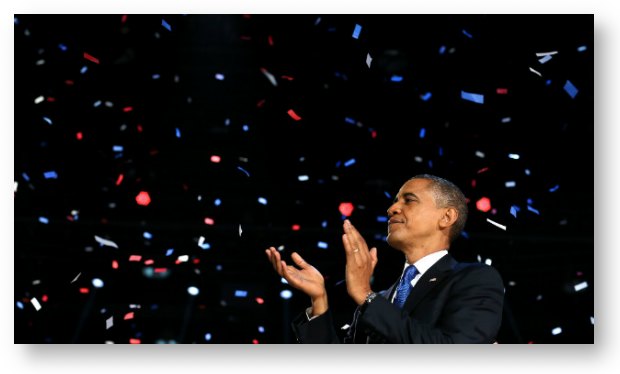
An invisible population stepped forward on June 15, 2012, to stake its claim to the American Dream. On that day, President Obama declared that certain undocumented immigrants — a group simply labeled “illegal” by many — would not be subjected to deportation, under broad-ranging conditions. Suddenly the logjam of immigration reform shifted, as more than 1 million undocumented young people who had been in the country for the past five years found themselves with new opportunities. What is more, the sympathies of other groups of people who have undocumented relatives — and thus are mindful of their plight — may have clearly shifted to a President on a campaign for re-election, as evidenced by the preponderance of Hispanic and Asian-American voters casting their ballots for Obama.
I’m glad that Time made a shout-out to Asian Americans in this blurb, and featured undocumented Filipino American journalist and activist Jose Antonio Vargas so prominently in their June 25 issue. While the mainstream media often portray unauthorized immigration as a Latino or Mexican issue, not all undocumented migrants are from Mexico or Latin America. According to Department of Homeland Security estimates for January 2011, 10% of undocumented immigrants in the US were born in five major Asian sending countries: China, the Philippines, India, Korea, and Vietnam. That adds up to just shy of 1.2 million people.
That shocking figure does not include people coming from other Asian countries, and some people of Asian descent born in Latin America. Many Latin American countries have long-settled populations of Asian people. There are also many contemporary migrants who use Latin America as a stepping-stone to the US. The high-profile case of San Francisco student Steve Li brought this issue into the limelight. Li’s family was scheduled to be deported, but to different places; US immigration authorities were prepared to send him to his birthplace of Peru while the rest of his family were deported to China.
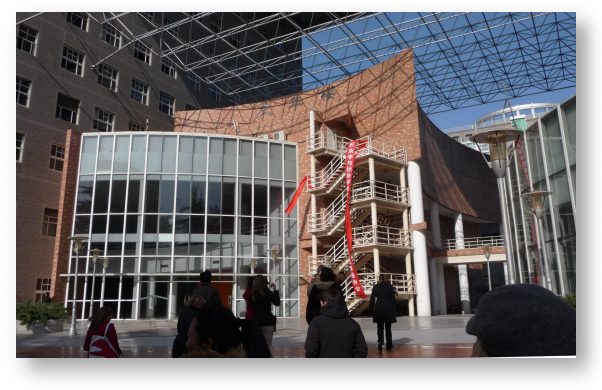
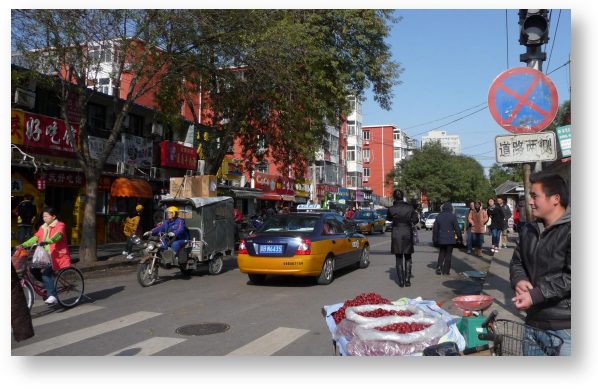
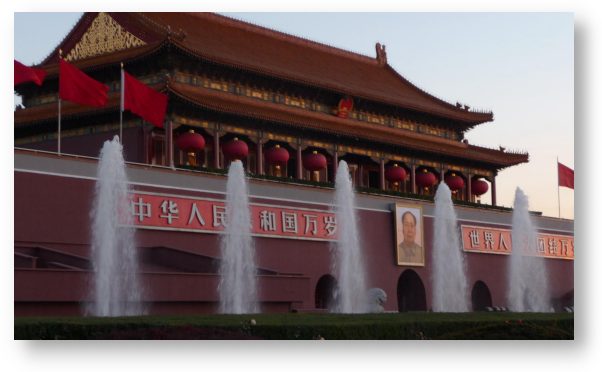
A couple of weeks ago, I made my first ever visit to China and I wanted to share some sociological observations with you about what I saw and experienced while I was there. My trip was under the auspices of my university’s International Programs Office (IPO) that’s in charge of all the study abroad programs on campus. From time to time, the IPO visits various study abroad sites around the world to make sure that they are high-quality programs for our students. Normally, the different staff at the IPO conducts these visits, but this time around, they asked me if I wanted to go to Beijing to check out the Council on International Educational Exchange’s (CIEE) programs in Beijing. It was an offer I could not pass up, so I jumped at the opportunity.
Specifically, the CIEE programs that I visited were based at Minzu University and Peking University. As the CIEE staff described to me, Minzu University was established in 1951 to basically assimilate members of China’s 56 ethnic minority groups (such as Tibetans, Uyghurs, Zhuang, Manchus, Hui, Miao, Yi, Mongols, etc.) into the majority Han culture. However, through the years, its focus and curriculum have evolved to become more tolerant and now promotes the retention of many aspects of culture and tradition among such ethnic minorities. Peking University is frequently called the “Harvard of China” and is considered to be the crown jewel of China’s university system. In its 2011-2012 ranking of universities around the world, the Times Higher Education listed Peking University as number 49 overall and as the top university in China.
Although I do not have anything to which I can compare these study abroad programs since this was my first such site visit, overall I found the CIEE programs at both universities to be comprehensive and impressive. There was a wide variety of academic and field opportunities for U.S. students at both schools to learn about Chinese language and culture inside and outside of the classroom. I found the staff there to be very friendly, professional, well-skilled, and enthusiastic about their programs. I also talked to a number of U.S. students currently studying abroad in these two CIEE programs and they all raved about the positive experiences they’ve had there. From what I saw during my site visit, I would certainly recommend these programs to my students.
While I was in China and in my conversations with the CIEE staff and with both Chinese and U.S. students, a recurring theme was that China seems to be at a crossroads in its history and that there are two important issues within which China is struggling to find its balance in terms of where it wants to position itself politically, economically, and culturally within the global community. Each of these issues that I’ll discuss in more detail below represent a paradox or set of interesting contradictions that are playing themselves out within modern Chinese society.
I am certainly not the first observer, analyst, or scholar to discuss these issues, nor can I claim to have comprehensive expertise on such issues. Nonetheless, I would like to share my observations as a sociologist who wants to apply my academic interest in how Asians (and China specifically) fit into the contemporary global community in the 21st century and how Asian Americans fit into these international dynamics as well.
The first paradoxical issue concerns the growing sense of nationalism in China. This nationalism was most recently manifested in angry and sometimes violent protests against Japan over some small islands that lie between China (Diaoyu in Chinese) and Japan (Senkaku in Japanese) and are claimed by both countries. More generally, nationalism directed against foreigners has been evident in China for a while and from time to time, flares up and can turn ugly.
In my conversations with different people in China, they mentioned that a famous Chinese philosopher named Lu Xun observed about a hundred years ago that China frequently see themselves as either superior or inferior in relation to foreign powers, but never equal to them — it’s either a feeling of superiority or inferiority. With this in mind, nationalist feelings of superiority or inferiority need points of comparison. In modern times, China has two main international points of comparison — in Asia, it’s Japan and in the western world, it’s the U.S.
My contacts also observed that in most cases, the average Chinese citizen will rarely express such nationalist feelings directly to a foreigner, there was one instance in which this nationalism was directly visible to me and other site visitors in this trip. Specifically, a group of us (all from the U.S. involved in the CIEE site visit) was walking through Peking University when a Chinese male in his mid-40s came up to us and started speaking Chinese to us. Unfortunately none of us spoke Chinese, but even after we said that to him in English, he still kept speaking. We then pulled a Chinese American study abroad student (let’s call him ‘Keith’) who was accompanying us while we were at Peking University into the conversation. The Chinese man then turned his attention to Keith and as Keith relayed to us later, went into a tirade against the presence of foreigners in China. Although this man was not shouting, he was obviously very assertive in expressing himself. Considering the recent protests against Japan, this was probably a relatively mild form of nationalism that we experienced.
The contradiction here is that China very much wants to attain a position of respect and status within the international community and wants to continue attracting international investment and promoting global trade. In other words, it needs to engage with the international community. But on the other hand, a large part of the national discourse within China emphasizes China’s superiority over foreign powers and in fact, advocates limiting or even eliminating the presence of foreigners inside China.
An interesting component to this emerging nationalism in China is that much of it was initiated and encouraged by the Chinese government, at least in the beginning. As other analysts have pointed out, when it comes to particular issues such as the disputes with Japan, Chinese government officials have tried to maintain a sense of diplomacy in public while behind the scenes, frequently allowed or even facilitated nationalist rhetoric and citizen protests to serve their political interests. The problem however, is that the Chinese government may be losing control over this nationalist monster that they’ve created. As one of my contacts noted, when you keep feeding the citizens ‘wolves’ milk,’ eventually they’ll grow up to be wolves.
I have written about this kind of “cultural schizophrenia” in China before. On the institutional and national level, this sense of fluctuating between two extremes while trying to find your identity is actually similar to what many Asian Americans face on the individual level as they try to balance the ‘Asian’ and ‘American’ sides of their identity. In China’s case, as it tries to solidify its position in the international community, it’s likely that such internal struggles will continue to take place and it remains to be seen how the emerging contradictions between the government’s ‘Dr. Jekyll’ and the nationalists’ ‘Mr. Hyde’ will play themselves out.
Where Do Chinese Americans Fit Into China?
The second sociological dynamic that I observed while in China relates to where Chinese Americans fit into modern Chinese society. Like a number of other Asian American scholars, I have a growing interest in looking at how Asian Americans fit into Asian societies and how they use both their Asian and American identities to potentially bridge the political and cultural gaps between the U.S. and Asian countries. As such, I was very interested in hearing from Chinese American students and their experiences studying abroad in China.
In addition to ‘Keith’ (mentioned above), I also spoke at length to another Chinese American student; let’s call her ‘Kathy.’ They both described similar experiences of feeling caught in a “cultural limbo” while in China. That is, on the one hand, their physical appearance is Asian and more specifically, Chinese. But on the other hand, their nationality is American. This frequently means that upon first contact, most Chinese nationals assume that they are Chinese. But once they start talking, they are quickly seen as American, even though they speak Chinese pretty well.
Both Keith and Kathy noted to me that once this happens, more often than not, Chinese nationals lose interest in speaking to them. I asked them why and they said that Chinese tend to be more interested in talking to ‘regular’ Americans — i.e., White Americans. In other words, even within China, while they are treated generally as Americans (rather than as Chinese), Chinese Americans are generally not seen as representing the ‘normal’ image or perception of what Chinese think of as ‘American’ — i.e. they are not White.
Nonetheless, Kathy and Keith told me that once they got used to this cultural dynamic, they were eventually able to create and embrace their own “Chinese American” identity that is neither completely Chinese nor completely American, but a fluid combination of both. Upon doing this, they said that they felt more comfortable using this identity to begin bridging the cultural gaps between China and the U.S. in small ways during their stay in China.
This process of creating an ‘Asian American’ identity that combines and bridges two sets of cultures is what Americans of Asian ancestry have been doing for centuries. It is with this understanding in mind that I think Asian Americans are positioned to take make tangible contributions toward applying their globalized and transnational characteristics and experiences to bridging the political and cultural gaps between the U.S. and Asian countries. In fact, scholars are beginning to examine and describe examples of Asian Americans in different social settings acting as ‘cultural ambassadors‘ in Asian societies.
Therefore, if countries such as China continue to pursue a position of respect within the wider international community while still retaining elements of their national identity, they can learn from Chinese Americans who have have years of experience and expertise in doing exactly that — integrating themselves into mainstream U.S. society while keeping elements their Chinese culture intact. This is not to say that it has been a seamless or smooth process and in fact, Chinese- and Asian Americans have been and continue to face suspicions and challenges regarding their ‘real’ identity.
Nonetheless, institutional changes taking place, such as the ongoing effects of globalization, greater transnationalism, and increased multiculturalism, have transformed the racial, ethnic, and cultural landscape of both U.S. society and the world in general. Within this new social environment, there are new opportunities for minority groups such as Asian Americans to assert an identity that legitimately incorporates elements of, and for the benefit of, different societies and cultures.
There is an old Chinese saying that goes, “May you live in interesting times.” From a sociological point of view, this is indeed a very interesting time for China and there are a number of interesting ways that Chinese Americans (and Asian Americans as a whole) can participate in forging a more inclusive path forward into the 21st century.
Here are some more announcements, links, and job postings about academic-related jobs, fellowships, and other opportunities for those interested in racial/ethnic/diversity issues, with a particular focus on Asian Americans. As always, the announcements and links are provided for informational purposes and do not necessarily imply an endorsement of the organization or college involved.
Position: Asian American Studies, Ithaca College
Center for the Study of Culture, Race, & Ethnicity/Sociology, Ithaca College invites applications for a tenure-eligible Assistant Professor position to teach courses in a new minor in Asian-American Studies housed in the Center for the Study of Culture, Race, and Ethnicity (CSCRE) beginning August 16, 2013. This is a joint appointment with the Department of Sociology, with the tenure unit being the CSCRE.
The person in this line will teach lower (intro) and upper level courses in both units, help develop and coordinate the Asian-American Studies minor, conduct and publish research, and participate in service to the department, campus, community, and profession. We seek a colleague who has a critical approach to the study of race and is committed to diversity and social justice.
Qualifications: Ph.D. is preferred at the time of appointment; however, ABD candidates who have made significant progress towards completion of their degree are also encouraged to apply. The Ph.D. may be in Asian-American Studies or Ethnic/ Inter-disciplinary studies with a specialization in Sociology. Alternatively, it can be in Sociology with a specialization in Asian-American Studies. Preference will be given to candidates whose work addresses racial injustice and equity from a critical perspective as these relate to Asian Americans. Candidates must have an active research and scholarly agenda and evidence of successful teaching at the undergraduate level.
Interested individuals should apply online at apply.icjobs.org and attach the requested documents. Review of applications will begin immediately. To ensure full consideration, complete applications should be received by November 16, 2012.
Internship: Asian American Studies, National Museum of American History
Spring Intern Opportunity
National Museum of American History
We are recruiting for the Goldman Sachs Interns & Fellows Office (IFO) Multicultural Junior Fellows program. This internship has a stipend of $6,000 for the selected student (10 weeks full-time or 20 weeks part-time). Please send to your best students! The internship will start in January 2013 (some flexibility on the specific start date).
Research & Collection/Asian-Pacific American
The Sweet & Sour: A Look at the History of Chinese Food in the United States showcase opened at the Smithsonian National Museum of American History on March 17, 2011. The showcase will be developed into a traveling exhibition through the Smithsonian Institution Traveling Exhibition Service (SITES) in 2014. The showcase represents a milestone within an ongoing initiative by the National Museum of American History to focus on its Chinese American history and culture collections. The project called for collecting a variety of Chinese restaurant-related objects ranging from menus to restaurant signs to cooking implements, which would provide a glimpse into the long history of Chinese immigration, exclusion, exoticism, and perseverance.
The “O Say Can You See?†blog was developed in May 2010 to accompany the showcase and features blog posts on a variety of topics, including the origin of the fortune cookie and traditional Chinese New Year cuisine. For the proposed internship project, the candidate will aide with research, blogging, and collecting oral histories of local D.C. Chinese restaurants for the Sweet & Sour traveling exhibition. The candidate will assist with building a database on Asian Pacific American artifacts at the National Museum of American History (NMAH). In addition, he/she will be involved with the collection and caring of objects.
Omar A. Eaton-MartÃnez, M.Ed.
Intern & Fellows Program Manager
Smithsonian Institution
National Museum of American History
14th St. & Constitution Ave., NW
MRC 605 P.O. Box 37012
Washington DC 20013-7012
Call for Papers for MELUS 2013 conference on Mar. 14-17, 2013 in Pittsburgh, PA
MELUS Stands for Society for the Study of the Multi-Ethnic Literature of the U.S. Since early 1970s, MELUS has been a nationally prominent academic and professional organization, field of studies and academic journal in the research and teaching of American multiethnic literature, which includes ethnically specific European American literature (such as Italian American and Irish American lit), Jewish American, African American, Asian American, Latino/a American, American Indian, Arab American, and other ethnic literature. The 2013 MELUS conference theme is “The Changing Landscape of American Multiethnic Literature through Historical Crises.” The deadline for all abstracts for individual papers, full panels, workshops, and roundtables is extended to Nov. 30, 2012.
We only accept abstracts from faculty and graduate students. We are sorry that we will not accept submissions from undergraduate students.
When we look back, what kinds of historical, global, national, institutional, political, cultural, racial, socio-economic, and sexual crises has American multiethnic literature engaged in, critiqued, reflected, challenged, reacted to artistically, and moved beyond? How have the various landscapes of American multiethnic literature changed? How has the American multiethnic literature challenged and enriched the American national literature and culture as well as contributed to the Anglophone global literature? How has the multiethnic genre changed and evolved? How have the multiple critical categories of language, race, ethnicity, gender, class, sexuality, culture, power, history, nation and geography complicated and enriched our scholarship and pedagogy in American multiethnic literature?
As we look forward, what are the new directions in American multiethnic literature in the 21st century? How do globalization, transnationalism, postcoloniality, and diaspora impact the studies and teaching of American multiethnic literature? What are the new studies in American multiethnic women’s literature? What are some of the cross-ethnic comparative literary analyses that can be exciting?
We invite abstracts for individual papers, complete panels, workshops, and roundtables on all aspects of the American multiethnic literatures either in the national, regional, local or global contexts. We are particularly interested in proposals that explore the changing landscapes of American multiethnic literature either in the past centuries and decades through multiple global, national, institutional, or cultural crises, or the various new directions in American ethnic literature in the 21st century. Any proposal for a complete panel, roundtable, or workshop should include a short description of the central topic, supplemented by brief individual abstracts. Please also indicate clearly if you need audiovisual equipment.
Extended Deadline for abstracts and proposals (250 words in Microsoft Word): Nov. 30, 2012. Please email abstracts to both Prof. Lingyan Yang (lingyan@iup.edu), MELUS Program Chair & Vice President, at Indiana University of Pennsylvania and Prof. Kim Long (kim.long@delval.edu), MELUS Treasurer, at Delaware Valley College. They are MELUS 2013 Conference Committee co-chairs.
The pre-registration form will be available in Dec. 2012 and MELUS membership information is available now on the MELUS website. All presenters, chairs, and moderators must be members of MELUS. MELUS membership dues and pre-registration fees must be paid before one can present in the MELUS 2013 conference.
The following are the outstanding and exciting keynote speakers in MELUS 2013 conference in Pittsburgh:
Prof. Houston A. Baker, one of the world’s most prominent African American literary critics and theorists, Distinguished University Professor and Professor of English, Vanderbilt University
Our own Prof. David Palumbo-Liu, one of the most renowned Asian American cultural critics in the academy, Director and Professor of Comparative Literature Dept. and Director of Asian American Studies Program, Stanford University
Prof. Mary Jo Bona, one of the academy’s highly respected feminist scholars on Italian American women’s literature, Professor of Italian American literature and Women’s and Gender Studies, Stony Brook University
MELUS 2013 Conference Hotel:
Omni William Penn Hotel
530 William Penn Place
Pittsburgh, PA 15219
Tel: 412-280-7100; Fax: 412-553-5252
http://www. omnihotels.com
$129/night (excluding tax)
Thank you very much for your time and attention. If you have questions, please let me know. We hope to see some of the colleagues from AAAS in MELUS 2013.
Sincerely,
Lingyan Yang, Ph.D.
MELUS 2013 Conference Committee co-chair
MELUS Program Chair and Vice President
Director, Women’s Studies Program
Associate Professor of English
Graduate English Program in Literature & Criticism
English Dept. 110 Leo Hall
Indiana University of Pennsylvania
Indiana, PA 15705
724-357-2604 (Office)
lingyan@iup.edu
University of South Florida Postdoctoral Scholars
Social Sciences and Humanities, 2013-14
Global Change in a Dynamic World
The University of South Florida has embarked on an ambitious program to enhance its rising stature as a preeminent research university with state, national and global impact, and position itself for membership in the Association of American Universities through: (1) Expanding world-class interdisciplinary research, creative and scholarly endeavors; (2) promoting globally competitive programs in teaching and research; (3) expanding local and global engagement initiatives to strengthen sustainable and healthy communities; and (4) enhancing revenue through external support. Details are available in the USF Strategic Plan.
As part of this initiative, the University of South Florida is pleased to announce the fifth year of its Postdoctoral Scholars program in the Social Sciences and Humanities. The over-arching theme for this years scholars is Global Change in a Dynamic World. Potential themes include (but are not limited to) sustainability; sustainable development; hazard and disaster management; climate change; population changes; technology and information issues; communication and language development; cultural diasporas; ethnicity, gender, and aging issues; cultural heritage and histories; citizenship; identity; health, economic, education, and environmental disparities; political economy; ethics; human rights; animal rights; peace and conflict studies; injury and violence; security and surveillance issues. Specific research and geographical areas are open, and applicants may consider both past and contemporary perspectives.
Postdoctoral Scholars will: (i) contribute to one or more of the priority goals of the strategic plan; (ii) work closely with distinguished faculty; (iii) participate in an interdisciplinary project with the cohort of postdoctoral scholars; (iv) teach two courses over a twelve-month period; and (v) continue to build an independent research record and engage in publishing refereed articles and creative scholarship.
Postdoctoral Scholars
At least six twelve-month postdoctoral scholarships will be awarded in Spring 2013 with appointments beginning August 5th, 2013. Appointments are for full time employment (40 hours per week) and will be continued for a maximum of 2 years contingent upon satisfactory performance. The salary is $40,000 per year and the University contributes to a health insurance program for postdoctoral scholars and their dependents (up to $6,000). Support for travel to academic conferences will also be available. Scholars will be responsible for relocation and housing expenses.
Eligibility
Applicants must have a doctoral degree in one of the following disciplines: Anthropology; Communication; English; Geography, Environment and Planning; Government and International Affairs; History; Philosophy; Sociology, or an affiliated program, earned no earlier than 2010. Candidates who will have successfully defended their dissertations by May 1, 2013 will also be considered, however the doctoral degree must have been conferred prior to the first day of employment. Note: applicants must have received their doctoral degree from an institution other than the University of South Florida.
Application
Letters of application and supporting material must include the following:
A cover letter stating your interest in this Postdoctoral Initiative. It must provide details on (i) how your research and teaching expertise would contribute to the theme of Global Change in a Dynamic World and the goals and aspirations of the USF Strategic Plan (http://www.ods.usf.edu/plans/strategic/); (ii) the department with which you would like to be affiliated; (iii) your teaching experience and courses that you would like to offer; and (iv) your long-term goals
A Curriculum Vitae
Two letters of reference
Scanned copies of your published papers/scholarly works or book chapters (maximum of 3)
Scanned copies of current academic transcripts from all degree awarding institutions (Official transcripts will need to be supplied by those individuals who receive formal offers)
Copies of teaching evaluations
Send all application materials to: postdoc@usf.edu. Final application submission deadline is Friday December 7, 2012.
The University of South Florida is one of only three Florida public universities classified by the Carnegie Foundation for the Advancement of Teaching in the top tier of research universities (RU/VH), a distinction attained by only 2.3% of all U.S. universities. USF is ranked 50th in the nation in total research expenditures and 27th in federal research expenditures for public universities by the National Science Foundation. The university is authorized to provide 237 degrees at the undergraduate, graduate, specialist and doctoral levels, including the doctor of medicine. USF ranks 10th among all universities granted U.S. patents in 2011 according to the Intellectual Property Owners Association, an increase of more than 3 percent from 2010. The University has a $1.5 billion annual budget, an annual economic impact of $3.2 billion, and serves more than 47,000 students on campuses in Tampa, St. Petersburg, and Sarasota-Manatee.
Selection Criteria
Strength of research/creative scholarship record and demonstrated promise of a successful academic career
Research and teaching experience in Global Change in a Dynamic World aligned with the goals of the USF Strategic Plan especially interdisciplinary inquiry, global initiatives, and community engagement
Teaching experience and contributions that fit within USF programs
Position: Asian American Studies, Univ. of Illinois, Urbana
The Department of Asian American Studies at the University of Illinois at Urbana-Champaign invites applications for a tenured/tenure-track faculty position (Assistant, Associate, or Full Professor ) in the field of transnationalism, diaspora, or migration/immigration. We seek a theoretically sophisticated and empirically-driven scholar in traditional social science disciplines or interdisciplinary programs utilizing mixed methodologies.
Research specialization is open, but preference will be given to scholars with interests in spatiality, including but not limited to militarization, incarceration, and settler colonialism; economic and social networks; urbanization and community development; and technology studies. Junior applicants must have a Ph.D. in hand or show clear evidence of completion by start of appointment. Senior applicants must hold a Ph.D. and should have an outstanding record of research and scholarship. The anticipated starting date is August 16, 2013; the starting salary is competitive.
Applications can be submitted by going to http://jobs.illinois.edu and uploading a cover letter, CV, and contact information for three potential references. Senior candidates will be contacted before any references are requested. To ensure full consideration, all required application materials must be submitted by December 10, 2012. Applicants may be interviewed before the closing date; however, no hiring decision will be made before December 10.
For further information regarding application procedures or to submit nominations, please contact Sherry Clayborn at sclaybor@illinois.edu or call 217-333-3736.
Position: Native American Studies, Occidental College
Sociologist of Native American Studies
The Sociology department at Occidental College and the Autry National Center invite applications for a joint tenure or tenure-track position starting in fall of 2013. Rank, discipline, and research and teaching specializations are open, however, scholars with expertise in the societies and cultures of the Southwest or California Indians are especially encouraged to apply. The successful candidate would teach three courses per year at Occidental College and would work at the Autry National Center in program development, exhibition planning, and community outreach.
Applicants should submit a letter of interest that demonstrates a commitment to academic excellence in a diverse liberal arts environment and to the work of a public intellectual. The letter should include a statement of teaching philosophy, areas of teaching interest, and plans for research. Applications should also include: a curriculum vitae; samples of scholarly work; a statement of interest and qualifications for the position at the Autry; evaluations of undergraduate teaching; and three letters of recommendation.
Applications should be sent to Ms. Patricia Micciche, Native American Studies Search Coordinator (History Department M-13), Occidental College, 1600 Campus Road, Los Angeles, CA 90041. All materials are due by December 15, 2012.
Occidental College is an equal opportunity employer. The College is committed to academic excellence in a diverse community and supporting interdisciplinary and multicultural academic programs that provide a gifted and diverse group of students with an educational experience that prepares them for leadership in a pluralistic world. Women and minorities are strongly encouraged to apply.
Contact: Lisa Wade
Email: lwade@oxy.edu
Phone: 323-259-2900
Address: 1600 Campus Road, Occidental College, Los Angeles, CA 90041-3314
Seattle University’s Sociology Department invites applications for a tenure-track Assistant or Associate Professor to begin September 2013. The successful candidate will teach, have a strong and developing program of research/scholarship and experience teaching in the areas of race and ethnicity, community action research, and cultural studies and contribute to departmental and university service.
Minimum requirements: Ph.D. in sociology, and commitment to critical pedagogy and scholarship in a social justice context. The qualified candidate will also be able to teach in one or more of the following interdisciplinary programs: Global African Studies; Latin American Studies; Middle Eastern Studies; and/or Women and Gender Studies.
Seattle University, founded in 1891, is a Jesuit Catholic university located on 48 acres on Seattle’s Capitol Hill. More than 7,700 students are enrolled in undergraduate and graduate programs within eight schools. U.S. News and World Report’s “Best Colleges 2012†ranks Seattle University among the top 10 universities in the West that offer a full range of masters and undergraduate programs. Seattle University is an equal opportunity employer.
Applicants should submit applications online at https://jobs.seattleu.edu, including CV, contact information for two references, teaching materials (teaching portfolio including syllabi, and evaluations), and a writing sample (published or unpublished). Position is opened until filled. Applications received by December 20, 2012 will receive priority consideration. For more information visit www.seattleu.edu/artsci/sociology/candidates.htm.
Call for Proposals (2): Race, Ethnicity & Culture and Racism in Institutions
Call For Proposals:
(1) Intersections of Race, Ethnicity, and Culture in America
Series Content:
The intersections of racial and ethnic culture within the dominant American white culture re-veal challenges and tensions. This open-ended series of one-volume works (each 105,000 – 135,000 words long) will examine changing and often controversial issues in racial and ethnic culture in the U.S. Projects will explore the intersections of race and ethnicity with gender, sexuality, religion, class, nation, and citizenship. These titles uncover and explore racial ten-sions, stereotypes, and cultural appropriation, as well as celebrate cultural forms, influential people, and critical events that shape today’s American culture.
This fascinating new series complements our reference series—Cultures of the American Mo-saic—by exploring often controversial issues in America’s ethnic cultures. Addressing hot top-ics of yesterday and today, the series will appeal to both general and academic libraries and a wide range of readers interested in American and ethnic cultures.
Examples of potential topics/titles:
Appropriation of American Indians in popular culture – film, television, fashion, sports
The Model Minority Myth: Beyond the stereotypes of Asians in America
From Navajo Prints to Wiggers: Appropriating ethnic culture in the name of fashion
Hip Hop Goes Mainstream and the Impact on African American Culture
African American Women and Islam: Tensions between Liberation and Oppression
Series Editor: Gary Okihiro, Columbia University
Contact: Kim Kennedy White, Ph.D.
Senior Acquisitions Editor, American Mosaic
ABC-Clio/Greenwood/Praeger
kkennedy-white@abc-clio.com
303-385-1609
http://www.abc-clio.com
(2) Racism in American Institutions
Series content:
Despite the fact that America has elected its first Black President, racism has historically been a problem in our society and continues to be a problem today. We may have done away with such overt racist policies as the Jim Crow laws and school segregation, but covert racism still affects many of America’s established institutions from our public schools to our corporate of-fices. For instance, schools may not be legally segregated, but take a look at some of the schools in wealthier suburban areas where there are few minority students. What racist policies both in the housing market and in the school systems might be contributing to the fact that many schools have so few students of color? Or look into our prisons. What racist policies within our legal and prison systems might account for the fact that so many people of color are behind bars and are being kept there?
This open-ended series of one-volume works (each 70,000 – 90,000 words long) will examine the problem of racism in established American institutions. Each volume will trace the prevalence of racism within that institution throughout the history of our country and will then explore the problem in that institution today, looking at ways in which the institution has changed to fight against racism as well as at ways in which it has not. Special attention will be paid to the ways in which racism within each institution has harmed not only individuals but also the institution itself, and solutions, with examples of successful programs, if available and applicable, to the problem of racism within each institution will be provided.
Examples of potential topics/titles:
Racism in Politics, Racism in Corporate America, Racism in Academia, Racism in the Public Schools, Racism in the Medical Profession, Racism in the Prison System, Racism in the Legal System, Racism in Religious Institutions, Racism in Journalism, Racism in the Entertainment Industry, Racism in the Housing Market, Racism in Mental Health and Social Work Fields
Series Editor:
Brian Behnken, Assistant Professor in History and Latino/a studies at Iowa State University
Contact: Kim Kennedy White, Ph.D.
Senior Acquisitions Editor, American Mosaic
ABC-Clio/Greenwood/Praeger
kkennedy-white@abc-clio.com
303-385-1609
http://www.abc-clio.com
People For the American Way Foundation conducts research, legal, and education work on behalf of First Amendment freedoms and democratic values; monitors, exposes, and challenges the Religious Right movement and its political allies; identifies, trains, and supports the next generation of progressive leaders through its Young People For youth leadership programs and its Young Elected Officials Network; and carries out nonpartisan voter education, registration, civic participation, and election protection activities.
Young People For (YP4) is a progressive leadership development program focused on identifying, engaging, and empowering the next generation of progressive leaders. YP4 is dedicated to identifying young campus and community leaders, engaging them, and supporting them with the skills and resources they need to create change. Together, People For and YP4 are building a long-term network of emerging leaders committed to protecting our nation’s fundamental rights and freedoms.
YP4 has three overarching priorities: 1) to diversity leadership in the progressive movement; 2) to support young leaders to effect change in their communities now; and 3) to ensure that young leaders are sustained in their leadership over the long term. The core of YP4 is our one-year Fellowship for progressive college students, which supports and empowers them to create change now on their campuses and in their communities. The 2012-2013 Fellowship class is comprised of 151 Fellows from over 80 campuses in 32 states and is the next generation of YP4’s growing network of over 1,000 alumni across the nation. The position is located in Washington, DC and reports to the Fellowship Program Manager of Young People For.
Responsibilities:
Assist the Fellowship Program Manager with Fellowship program planning, program development and piloting new strategies to engage Fellows
In consultation with the Fellowship Program Manager, develop and manage the vision, strategy, and process for Fellowship program recruitment and selection
Oversee planning, logistics and evaluation for all four Regional Trainings, the training of trainers, and the YP4 National Summit
In consultation with the Fellowship Program Manager, work with the Advanced Leadership and Alumni department on the evaluation and implementation of curriculum for the YP4 program
Work closely with YP4 staff, alumni, and other People For staff to manage day-to-day communication with Fellows
Work with Fellows to plan, manage and execute sustainable, community-driven projects, which may include some travel to campuses to provide in-person support
Work to build strong relationships with professors, administrators and campus activists at state universities, Historically Black Colleges and Universities (HBCU’s), Hispanic Serving Institutions (HSI’s), Tribal Colleges, liberal arts universities and community colleges
Work with the Fellowship Program Manager to build strong relationships with national, state, and local progressive organizations
Represent the Young People For program at national conferences and events
Other activities and responsibilities as assigned
Qualifications:
1 – 3 years related work experience
Bachelor’s degree, preferably in social sciences, political science or government, or equivalent experience
Excellent interpersonal and communications skills
Demonstrated ability to motivate and manage a variety of people
Ability to work effectively in a fast-paced environment; must be well-organized and able to effectively manage competing priorities and meet frequent deadlines
Ability to work well both independently and with supervision
Willingness to learn, show initiative and creativity
Familiarity with MS Office applications; experience with online communities and interest in web-based tools
Ability and willingness to travel as needed
Familiarity with the progressive community, and a commitment to the issues of Young People For (campus diversity, civic engagement, civil rights, economic justice, education, environmental conservation and justice, healthcare, immigration, international human rights, worker’s right, Native American issues, traditions, and empowerment, and progressive coalition and alliance building) and People For the American Way Foundation
To apply: Send resume and statement of interest to Human Resources, People For the American Way Foundation, 1101 15th Street NW, Suite 600, Washington, DC 20005. Email hr@pfaw.org
I am relieved to report that after a hard-fought and expensive campaign, President Barack Obama has been reelected as President of the United States, having defeated Republican nominee Mitt Romney, former Governor of Massachusetts. Many of the major media outlets and blogs will describe in detail the different factors that led to President Obama’s victory and what his victory means for him in terms of moving forward with his agenda in his second term.
For now, I just wanted to share a few interesting exit poll data and quick observations about this 2012 Presidential election as it relates to Asian American voters and compare it to the President’s 2008 victory. The exit poll statistics below come from both the New York Times and CNN.
How Asian Americans Voted
In the 2008 election, 61% of Asian Americans voted for President Obama. In this 2012 election, that percentage increased to 73% as reported by both the New York Times and CNN. In fact, this number is higher than the percentage of Hispanics/Latinos who voted for President Obama (71%).
Although I have not heard of any high-profile Democratic campaign to appeal to Asian Americans, I think this is a pretty remarkable performance by the President. Increasing his support among Asian Americans seems to suggest that even without a direct and sustained appeal that was specific to Asian Americans, the vast majority of Asian Americans still resonated with President Obama’s platform and message.
I also think that increasing his support from Asian Americans should also dispel the belief that Asian Americans are only concerned with economic success and financial issues. In other words, if the majority of Asian Americans thought that fixing the economy was the single most important issue in the election, more than likely they would have voted for Romney, since most surveys found that more than half of Americans thought that Romney would be better at fixing the economy.
Instead, it seems that most Asian Americans, while still concerned about the economy, also considered other policy and social issues to be important as well, which may include immigration reform, wealth inequality and economic justice, civil and LGBT rights, etc. Perhaps this is due to the demographic trends within the Asian American population and how Asian Americans are gradually become younger and more U.S.-born than in years past.
In the end, President Obama getting 73% of the Asian American vote should also demonstrate rather convincingly that most Asian Americans are solidly liberal. While the ideological pendulum will always swing back and forth and the percentage of Asian Americans who vote Democratic will fluctuate, data from the past several elections confirm that Asian Americans are a pretty solid Democratic constituency.
Along with the Hispanic/Latino community, this should be a wake up call for the Republican Party going forward — if they want to have a fighting chance to consistently capture the White House and Congress in upcoming elections, they need to reverse their swing to the far right and move more toward the center if they want to avoid alienating the growing Hispanic/Latino and Asian American communities.
Along with many other Asian Americans, I will savor this victory for now, but also look forward to using this reelection to enact policies that will move the country forward and make life better for Americans from all backgrounds.
Roundup of How Asian American Candidates Fared
Here is a listing of some articles from Asian American media and bloggers on how Asian American political candidates fared in the 2012 election:
Here are some more announcements, links, and job postings about academic-related jobs, fellowships, and other opportunities for those interested in racial/ethnic/diversity issues, with a particular focus on Asian Americans. As always, the announcements and links are provided for informational purposes and do not necessarily imply an endorsement of the organization or college involved.
The History Department and Asian/Asian American Studies Institute, in the College of Liberal Arts and Sciences at the University of Connecticut, are seeking a tenure-track assistant professor in Southeast Asian history (including the Philippines). The position will be a joint appointment between the Asian/Asian American Studies Institute and the History Department, the tenure home of the appointment.
Developing a strong presence in Asian Studies is a significant component of the university’s larger faculty expansion. The successful candidate will play a key role in developing a coherent Asian History program within the History Department in conjunction with the Asian/Asian American Studies Institute. In addition to research, this individual will be expected to teach appropriate courses at the graduate and undergraduate level, engage in scholarly activities, and participate in outreach and service activities. The teaching load will be equally split between the Institute and History.
Qualifications
Minimum Qualifications: Ph.D. in Asian history (or foreign equivalent) by start date; research specialization in southeast Asia (including the Philippines); demonstrated excellence in research and teaching; strong interest in graduate teaching and mentoring; excellent written and oral communication skills.
Preferred Qualifications: Research interests in colonialism/neocolonialism/Postcolonialism, empire, diaspora, migration, and/or revolutionary and social movements; ability to contribute through research, teaching, and/or public engagement to the diversity and excellence of the learning experience.
Appointment Terms
This is a tenure-track, full time, 9-month appointment with an anticipated start date of August 23, 2013. This position is at the Storrs campus. Opportunity may arise to teach courses at other regional campuses. Salary will be commensurate with the candidate’s qualifications and experience.
To Apply
Interested applicants should apply online at Husky Hire. Please provide a letter of application, complete curriculum vitae, and a sample published article or research paper. Three letters of recommendation should be sent to Professor Sylvia Schafer, Southeast Asia Search, Asian American Studies Institute, University of Connecticut, Storrs, CT 06269. Applicants who submit materials by October 31, 2012, will receive preference in the screening process.
The Comparative Ethnic Studies Program in the Department of Ethnic Studies at the University of California, Berkeley, invites applications for an Assistant Professor with a social science background (#1752). We define Comparative Ethnic Studies broadly as work that theorizes race both particularly and generally; work on more than one distinct racialized group; or work on the intersection and/or co-constitution of race and other systems of difference.
We are particularly interested in candidates who bring innovative Social Science theory and methods to bear on the study of race, and who use the study of race to contribute to social theory generally (articulating the difference that race makes in critically understanding history and society). Teaching duties include undergraduate and graduate courses, including a course on social science methods.
The department seeks candidates whose research, teaching, or service has prepared them to contribute to our commitment to diversity and inclusion in higher education, and who will have a Ph.D. or equivalent in an appropriate disciplinary or interdisciplinary field by the time of appointment. The University of California, Berkeley, is committed to addressing the family needs of faculty.
Salary is commensurate with the level of appointment and based on University of California pay scales. Applications are due by Monday, November 5, 2012, for a start date of July 1, 2013. Applications should include a cover letter, CV, writing sample or publication, supporting evidence of teaching quality (if available) and 3 reference letters. The application website gives directions for self-registration, uploading of documents in PDF, and requesting letters of reference from letter writers.
Applications may be submitted to: http://aprecruit.berkeley.edu/apply/JPF00053. The application website gives directions for self-registration, uploading of documents in PDF, and accessing URLs for individuals providing letters of reference. Letters of recommendation should be sent directly to the University as indicated at the website.
The Department of Art and Art History at the University of Connecticut seeks candidates for a full-time, tenure-track faculty position at the level of Assistant Professor in Art History with a specialty in contemporary Asian art and the ability to offer courses that connect the arts of Asia to other cultures and to the Asian diasporas. This position is a joint hire with the Asian American Studies Institute, in the College of Liberal Arts and Sciences.
Candidates should be able to contribute to the undergraduate and graduate curricula, and will teach introductory, intermediate, and upper-level courses in Asian art and outside of that area of specialization, including topic oriented courses. The capacity to teach a range of courses from contemporary to ancient Asian art, with an emphasis on twentieth and twenty-first century East Asian art, visual culture, and transculturalism is highly desirable.
The Department welcomes candidates with contemporary approaches to the study of art history and visual culture, which may include curatorial practice. The art history program is integrated with a vigorous studio program in a liberal arts university. Cross-listings with Asian and Asian American Studies and other programs in the university are strongly encouraged. The successful candidate will participate in faculty activities and college committee work with both the Department and the Asian American Studies Institute.
Qualifications
Minimum Qualifications: Completed PhD, with specialization in Asian Art History; demonstrated excellence in research, including scholarly publications and/or exhibition catalogues; and excellent written and oral communication skills. Equivalent foreign degrees are acceptable.
Preferred Qualifications: Research specialization in contemporary Asian art and visual culture studies, with knowledge of East Asian Art and its transnational/diasporic connections; interest in interdisciplinary approaches and methodologies; demonstrated ability to contribute through research, teaching, curating and/or public engagement to the diversity and excellence of the learning experience; and two years college teaching experience with strong interest in graduate teaching and mentoring.
Appointment Terms
This is a 9-month appointment and will begin on August 22, 2013. Position is at the Storrs campus. Candidates may have the opportunity to work at the campuses at Avery Point, Hartford, Stamford, Torrington, Waterbury, and West Hartford. The salary of the position will be commensurate with the candidate’s qualifications and experience.
To Apply
Please provide a letter of application, complete curriculum vitae, and a statement of teaching philosophy via Husky Hire. Three confidential letters of recommendation can be sent to: Professor Cathy Schlund-Vials, Co-Chair, Art & Art History Search, Asian American Studies Institute, Unit 1091, University of Connecticut, Storrs, CT 06269. We will continue to review applications until the position is filled, but to insure full consideration, application materials should be submitted no later than December 1, 2012.
Title: Assistant Professor (Pacific Islands Studies)
Position Number: 0085090
Hiring Unit: School of Pacific and Asian Studies/Center for Pacific Islands Studies
Location: Manoa Campus
Closing Date: December 07, 2012
Duties and Responsibilities
Develop and teach interdisciplinary undergraduate and graduate courses on the Pacific Islands with preference for those focused on creative arts and literature. Help develop the Culture, Arts and Performance concentration within the BA program in Pacific Islands Studies. Supervise and support MA and BA students. Conduct research or other scholarly activities and publish or produce in appropriate media. Work in support of the Center’s publishing, outreach, and service learning programs. Perform university and professional service. Minimum Qualifications
Earned PhD from a college or university of recognized standing in the social sciences, arts or humanities with emphasis on the Pacific Islands. Extensive knowledge of and research experience in the Pacific Islands region outside of Hawai’i and or in diasporic Pacific Islander communities. Strong interest in interdisciplinary research and teaching especially at the undergraduate level. Desirable Qualifications
Publications in refereed journals or other appropriate media. Evidence of excellence in teaching. Interest in innovative teaching strategies. Experience with community outreach activities including service learning. Ability to speak one or more indigenous Pacific Islands languages. To Apply:
Submit via electronic submission a cover letter indicating how you fulfill the minimum and desirable qualifications, a current curriculum vitae, three letters of reference from professionals in the field competent to assess your work to Julie Walsh, Search Committee co-chair at jwalsh@hawaii.edu. Official transcripts (from institution to institution) that reflect degree and course work are due at the time of hire. Hard copy submissions will not be considered.
Position: Asian American Studies, Univ. of Binghampton, SUNY
Binghamton University, SUNY
Assistant Professor of Asian American Studies
The Asian and Asian American Studies Department at Binghamton University invites applications for a tenure-track assistant professor position in Asian American studies beginning Fall 2013. We also welcome applications from advanced assistant professors. We seek candidates with a strong background in Asian American studies. Applications from those whose work focuses on ethnic studies, urban studies, gender studies, social and political movements, law, or labor are especially welcome. Candidates must have a PhD by the time of appointment.
Submit electronic application, including cover letter, CV, research and teaching statements, and three letters of references to http://binghamton.interviewexchange.com by December 15, 2012. Contact person:Robert Ku at jku@binghamton.edu.
មជ្ឈមណ្ឌលážáŸáž˜ážšážŸáž·áž€áŸ’សា
The Center for Khmer Studies
Siem Reap, Cambodia
Summer Junior Fellowship Program
24th June – 2nd August 2013
The Center for Khmer Studies (CKS) is offering 5 American, 5 Cambodian and 5 French undergraduate students an exciting opportunity to join a 6 week Summer Junior Resident Fellowship Program in Cambodia. The program provides a unique experience allowing students to live and study alongside others from different backgrounds and cultures while learning about the history and society of today’s Cambodia.
During their residency students will be based at the CKS campus in Siem Reap, which is situated in the beautiful grounds of Wat Damnak, one of the town’s largest Buddhist pagodas, only minutes away from the famous Angkor World Heritage Site and its enigmatic temples. For more information, visit:
http://khmerstudies.org/fellowships/summer-junior-fellowship. Deadline for applications is April 1st, 2013.
The confluence of a traditional preference for boys over girls and a strict one-child policy for urban families has led to a surplus of men. Changing social norms and greater educational and career opportunities for women mean that many women are delaying marriage; when they partner up, they have higher standards than ever before.
Worried that a glut of unmarried men and women will be detrimental to social stability, the state has begun to promote the stigmatization of unmarried women in their late 20s and beyond. They are particularly targeting educated women, since those are the least likely to marry:
In 2005 fully 7 percent of 45-year-old Shanghai women with college degrees had never married, according to Wang’s research. […] “It’s a sharp departure from before, from near-universal female marriage.” Indeed, there’s a common joke that there are three genders in China: men, women, and women with Ph.D.s. Men marry women, and women with Ph.D.s don’t marry.
How exactly does the government scare educated women into marrying? By making the state feminist organization tell educated women that they are in school because they are ugly, and that their expiration date is fast approaching! For her article, Fincher translated some excerpts from the All-China Women’s Federation website. Among them was this gem:
Pretty girls don’t need a lot of education to marry into a rich and powerful family, but girls with an average or ugly appearance will find it difficult. These kinds of girls hope to further their education in order to increase their competitiveness. The tragedy is, they don’t realize that as women age, they are worth less and less, so by the time they get their M.A. or Ph.D., they are already old, like yellowed pearls.
How are Asian American women dealing with pressures to marry? The government might not be comparing them to cold pizza, but many have families with “old country” ideas about marriage and relationships. To boot, some Asian American groups have higher levels of educational attainment than the national average, meaning more years in school–years in which all genders might feel like they are off the marriage market.
Asian American women: what do you think of this shengnü business? Are your families pressuring you to get married? How do you deal with that? Please tell us in the comments.
As an undergraduate majoring in linguistics, I was fascinated with the concept of endangered languages. Colonization, genocide, globalization, and nation-building projects have killed off untold numbers of languages. As linguist K. David Harrison (my undergrad advisor) tells NPR, speakers of stigmatized or otherwise less-favored languages are pressured to abandon their native tongue for the dominant language of the nation and the market:
“The decision to give up one language or to abandon a language is not usually a free decision. It’s often coerced by politics, by market forces, by the educational system in a country, by a larger, more dominant group telling them that their language is backwards and obsolete and worthless.” (emphasis mine)
These same pressures are at work in immigrant-receiving countries like the United States, where young immigrants and children of immigrants are quickly abandoning their parents’ language in favor of English.